7 types of carpentry

Carpentry can be categorized into seven types of carpenter specialists’ roles.

  • Rough carpenter: Generally, do Framing, formwork, roofing, and other structural work. 
  • Jointer: Lays floor joists onto which a floor surface is fixed. 
  • Trim carpenter: Specialises in moldings and trims, such as mantles, skirting boards, and other ornamental work.
  • Cabinet maker: Make cabinets as well as other furniture such as dressers, wardrobes, and so on.
  • Ship’s carpenter: Specialised in ship and boat building.
  • Framer: Specialised in the framework of buildings.
  • Roofer: Specialised in the rafters, beams, and trusses of roof construction.
Top 5 reasons to choose outdoor porcelain tiles

1. Frostproof

Porcelain don’t absorb water. So there is no opportunity in the winter season for them to absorb the water, freeze, expand, and then crack.

2. Minimal Maintenance

Porcelain tiles are non-porous and stain-proof. Rinsing off your patio with some warm soapy water is the maximum effort needed to maintain your space.

3. Fade & Scratch Resistant

One of the main advantages of porcelain tile is its durability. It is much denser than standard ceramic tile as it is fired at higher temperatures and made from more refined clay. This makes them tremendously hard and resistant to scratching.

4. Non-Slip Texture options 

They can be used safely in wet areas, a trait that makes them the right outdoor tiles! 

5. Can Blend Indoor & Outdoor Living

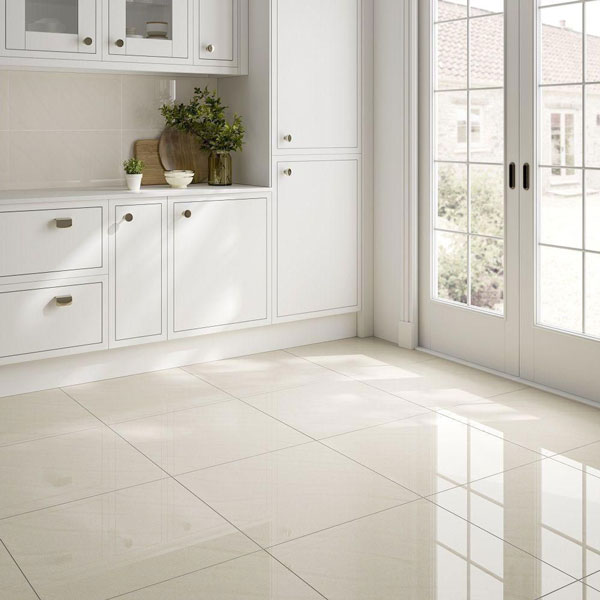
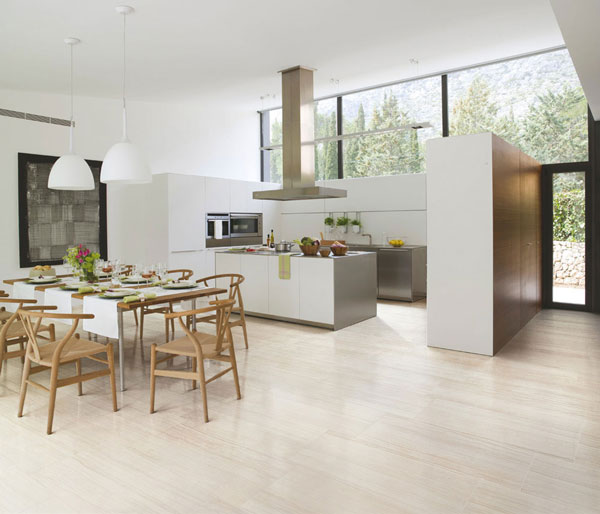
Don’t be afraid to use the same tiles in the kitchen and out the sliding door to the patio to make the space seem more significant and ultimately create a sense of flow through the area.

*Please note that the porcelain tile you choose should be designated for outdoor areas.

2020 flooring trends

Deciding to make a new house flooring can be a big deal if you don’t make the right choices, especially if your floor choices go out of style in just five years.
But don’t worry,  we’ve got all the hottest trends along with our predictions on how long these trends will last to help you make the right choice.

  • Types of materials
    Newer materials are rising in popularity, and so are American-made products.
    1. Waterproof Laminates
    2. American – made
    3. Carpet
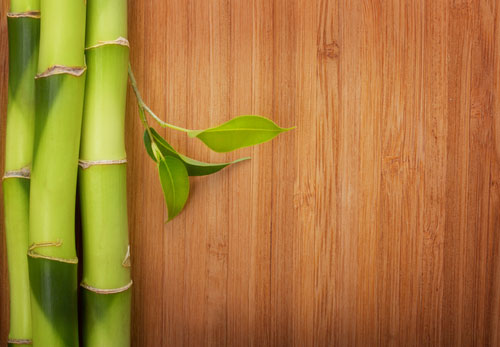
    4. Eco friendly
  • Colors
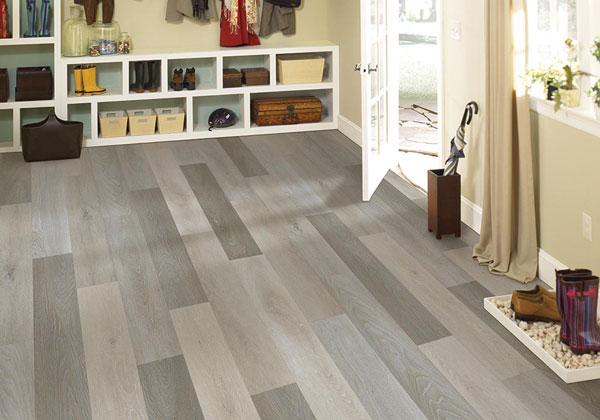
    Lights, whites, grays, and high variations are at the top of the trends.
    1. Lights
    2. Whites
    3. Grays
    4. High variations
    5. Blonde
    6. Honey
  • Textures
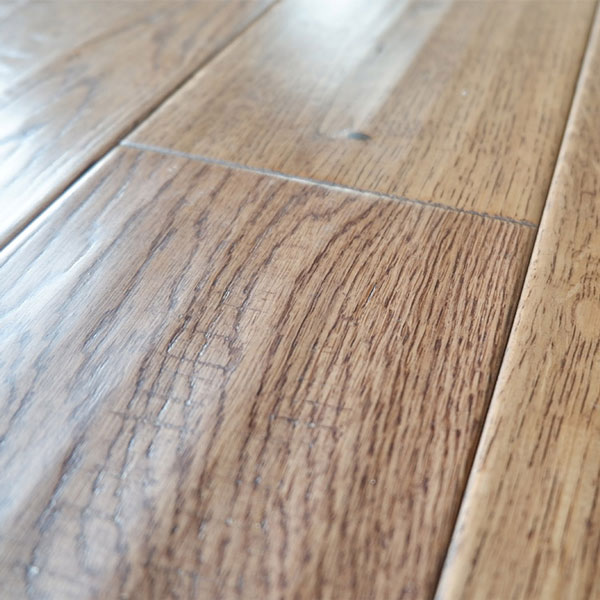
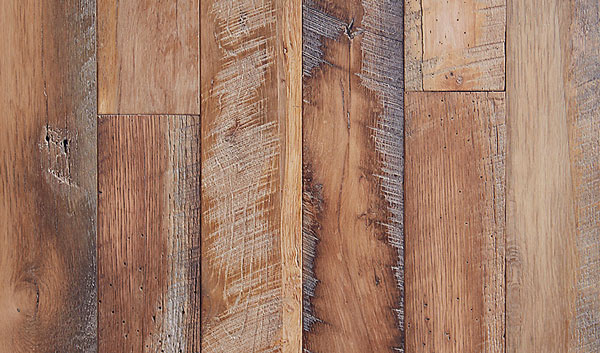
    While smooth colors remain classic, 2020 is going to be a big year for texture. Look out for lots of hand-scraped, distressed, and reclaimed floors.

    1. Reclaimed
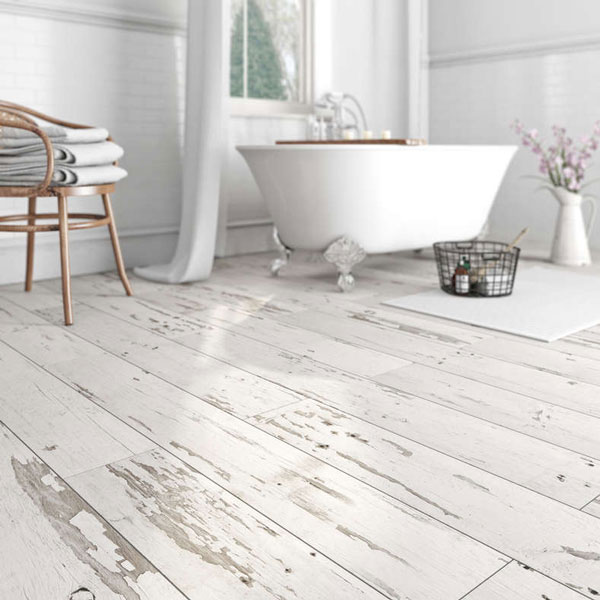
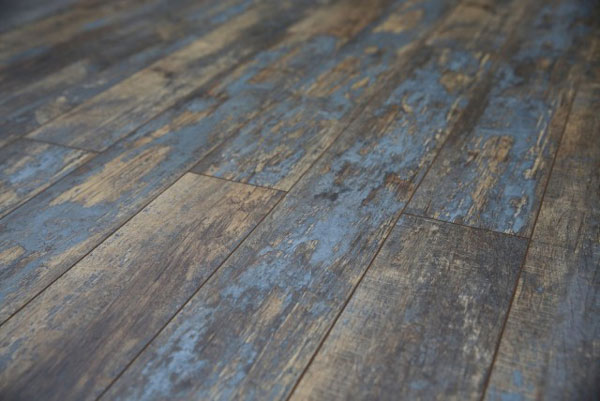
    2. Distressed
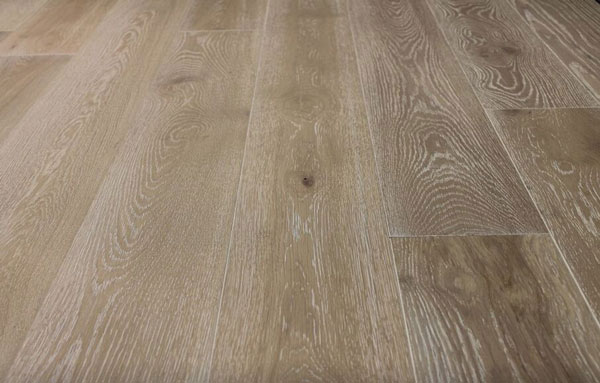
    3. Wire Brushed
    4. Hand Scraped
    5. Smooth
  • Layouts & patterns
    2020 is all about getting creative with your flooring. Expect to see unique patterns and unconventional widths. 

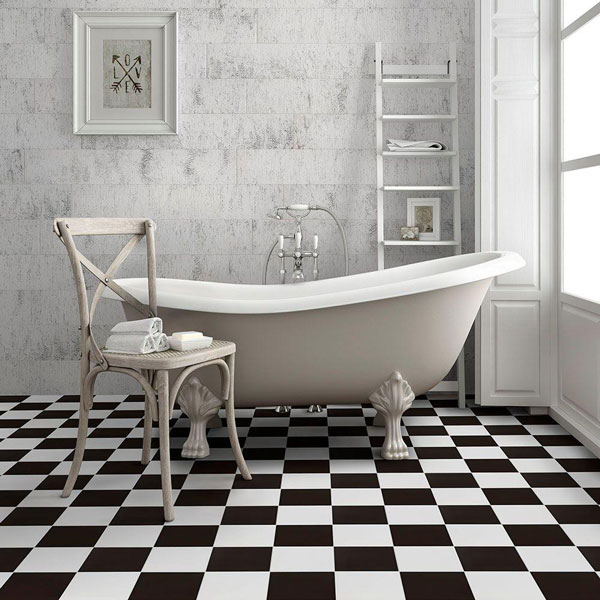
    1. Checkered
    2. Mixed width
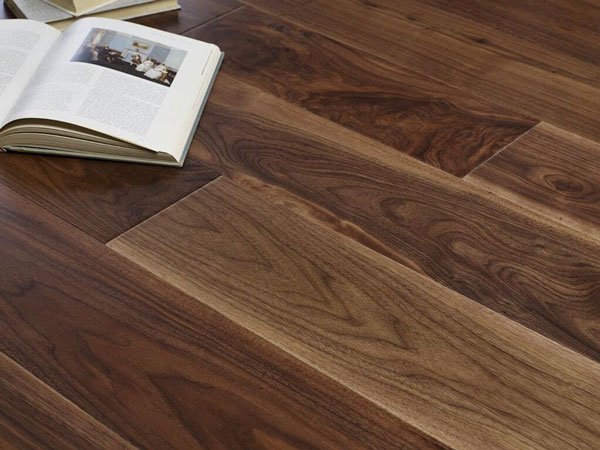
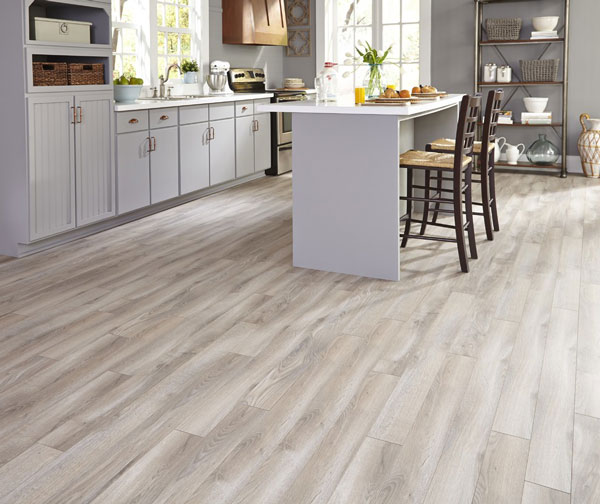
    3. Wide planks
    4. Hexagon
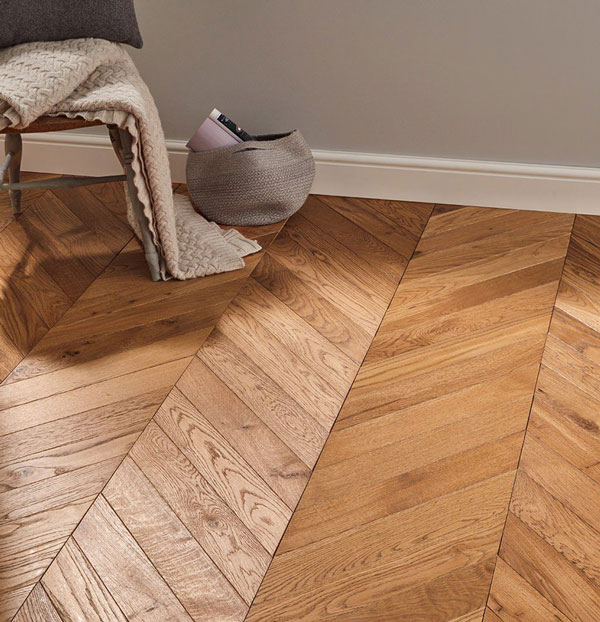
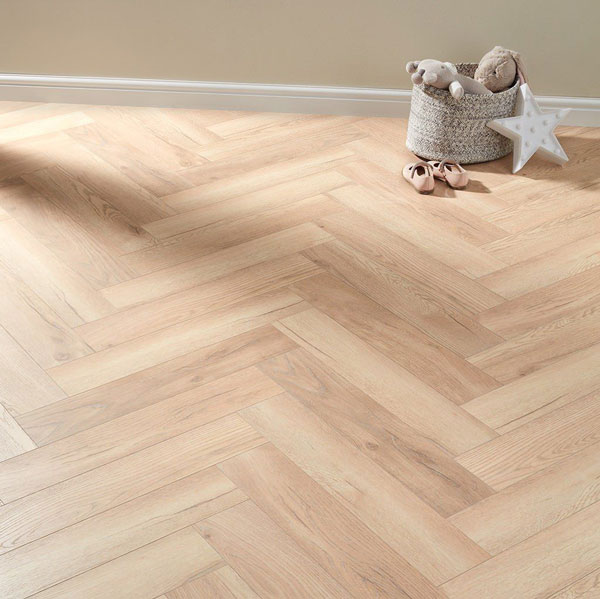
    5. Herringbone
    6. Herringbone
    7. Chevron
  • Looks
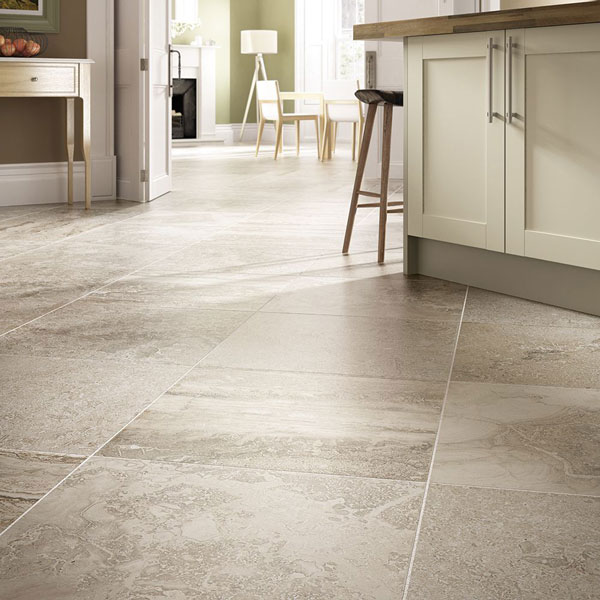
    Now flooring can mimic natural and human-made materials. Stone and wood-look floors in different materials are on the rise. 

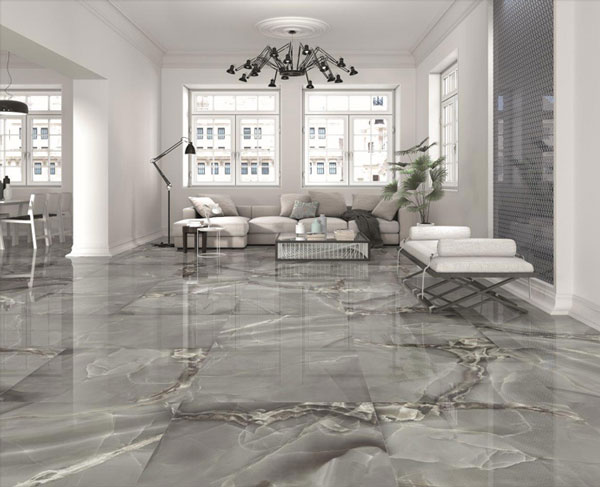
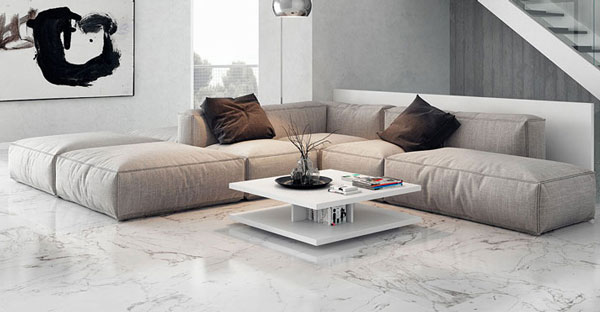
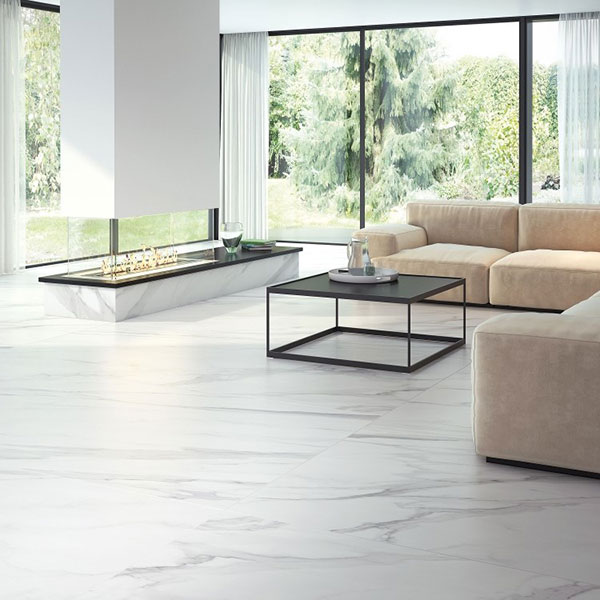
    1. Stone look
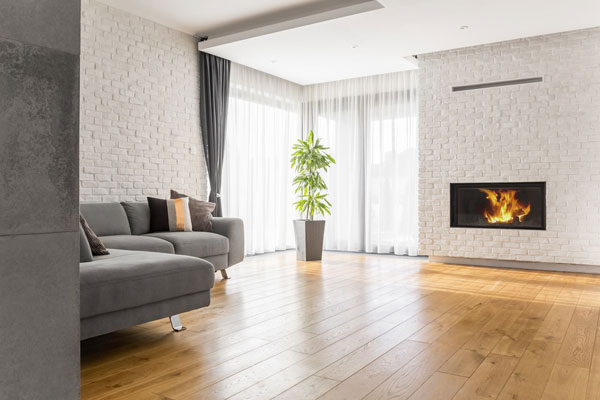
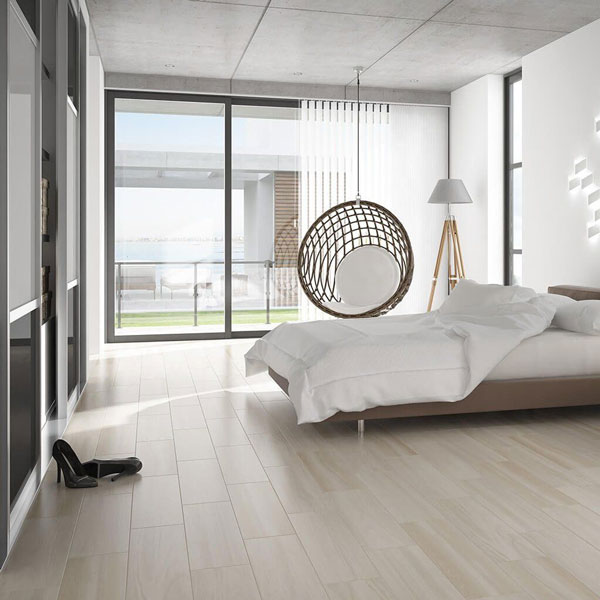
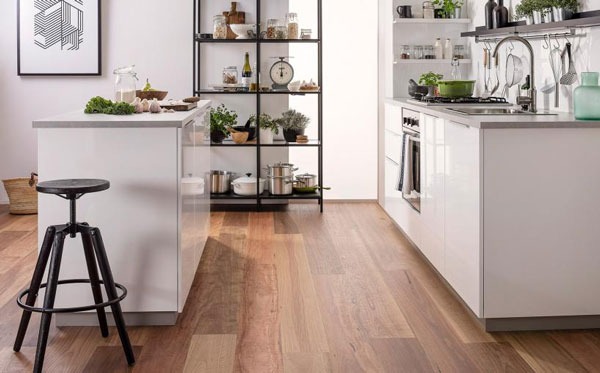
    2. Wood-look

Tips for choosing the right kind of tiles

Large tiles are best to use for your living room, and smaller size of tiles for bedrooms and guest rooms.

The tile color should always match the colors of the interior spaces. Gray or ivory colors are best for your house floors. 

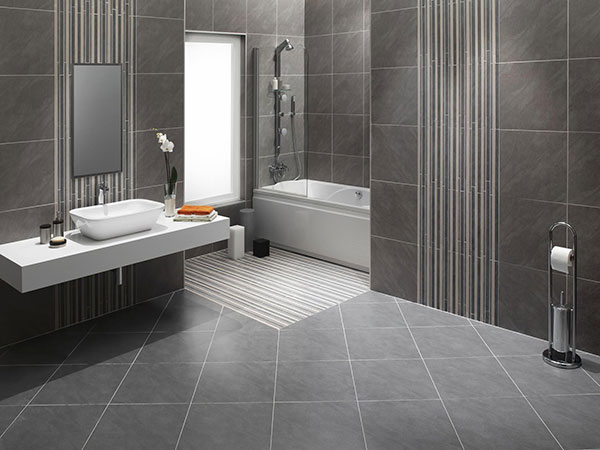
Safety is the most important thing when it comes to choosing the tiles. You must install non-slip tiles to your bathroom to avoid slipping incidents.

The kitchen is the home space where we spend most of the time, and consequently, it can easily take scratches and stains. That’s why we suggest you to choose gold-colored or brown-colored tiles because they easily hide severe scratches and stains.

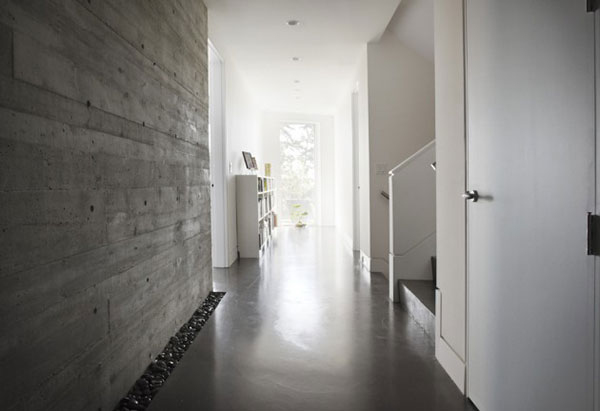
Use dark or earthy tile color for your corridors and other places with high  traffic. These colors easily conceal dirt and deterioration.

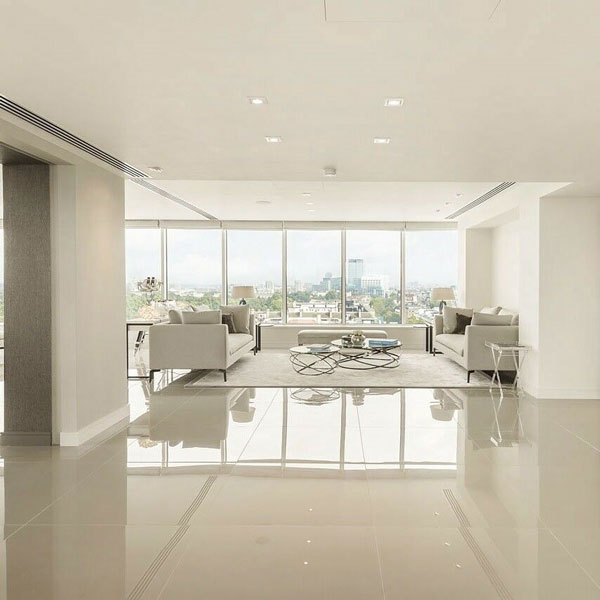
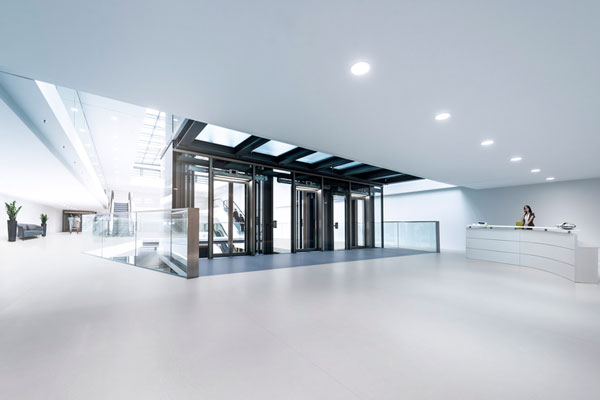
To make a smaller space look larger, use lighter-colored and larger size tiles. So, consider installing tiles with lighter and brighter colors in smaller rooms with small windows or an insufficient amount of light. Try white tiles, sand-colored tiles, cream-colored tiles, and beige tiles. The tile material could either be marble, ceramic, or porcelain. All these tend to create an illusion of a larger space.