A step by step guide to the home building process

1. Prepare Construction Site and Pour Foundation

  • Apply for and Acquire Permits
  • Construction Crew Levels Site
  • Puts Up Wooden Forms for the Temporary Foundation
  • Footings Are Installed

2. Complete Rough Framing

  • Floor System, Walls, Roof Systems Are Completed
  • Sheathing Applied to Exterior Walls, Covered With Protective Wrap

3. Complete Rough Plumbing, Electrical HVAC

  • Pipes and Wires
  • Sewer Lines and Vents
  • Water Supply Lines
  • Bathtubs, Shower Units
  • Ductwork for HVAC System
  • HVAC Vent Pipes

4. Install Insulation

  • Fiberglass
  • Cellulose
  • Foam Mineral Wool
  • Concrete Blocks
  • Insulation Concrete Forms
  • Spray Foam
  • Structural Insulated Panels
  • Foam Board or Rigid Foam

5. Complete Drywall and Interior Fixtures, Start Exterior Finishes

  • Drywall is Hung and Taped
  • Texturing is Completed
  • Primary Coat of Paint is Applied
  • Exterior Finishes (Brick, Stucco, Stone) Are Installed

6. Finish Interior Trim, Install Exterior Walkways and Driveway

  • Doors, Window Sills, Decorative Trim Installed
  • Cabinets, Vanities, Fireplace Mantles Installed
  • Final Coat of Paint

7. Install Hard Surface Flooring, Countertops; Complete Exterior Grading

8. Finish Mechanical Trims; Install Bathroom Fixtures

9. Install Mirrors, Shower Doors; Finish Flooring, Exterior Landscapin g

10. Final Walk-Through

Spot items that need to be corrected or adjusted. Examine the surfaces of countertops, fixtures, floors, and walls for possible damage.

8 things every home inspection checklist should include

1. Grounds and Exterior. During an inspection, a professional home inspector should first examine the home exterior and overall condition of the property.

2. Roof, Windows, and Doors. The exterior structural components of the home are some of the most expensive to repair or replace, so a home inspector should carefully evaluate the condition and expected lifespan of these elements. 

3. Attic. The examiner will make sure they don’t find poorly installed insulation, structural damage, improper ventilation, and exhaust or plumbing pipes that end in the vicinity.

4. Basement/Crawl Space. The inspector will look for moisture and evidence of pests, as well as foundational, structural, and insulation-related issues. If your house has a crawl space, the area will be inspected for similar problems.

5. Interior Rooms. The inspection checklist should cover the floors, walls, ceilings, windows, interior doors, paint and trim, lights and switches, outlets, temperature control, insulation, and fireplaces.

6. Kitchens. The kitchen is often called the heart of the home, so it’s crucial to ensure every feature is in tip-top shape. Some aspects of the kitchen to scrutinize include the size and functionality of appliances, the exhaust fan, the drainage and water flow, the safety of outlets, and the condition of cabinets and drawers.

7. Bathrooms. Bathroom problems can be a pricey proposition to fix, so an inspector will want to carefully examine the following areas: toilet, exhaust fan, sink, tub and shower, tiles, caulking, flooring, and fixtures. What’s more, the water flow and water pressure should be properly scrutinized, and the inspector should note any issues with plumbing and leakage.

8. Major Systems, Electrical, and Plumbing. Any home inspection must include a thorough evaluation of the heating and cooling systems, as well as the plumbing and electrical work. 

9 amazing modern kitchen cabinet styles

  1. Veneer Wood Cabinetry Can Be A Stylish Kitchen Addition especially for those who love vintage design for their home.
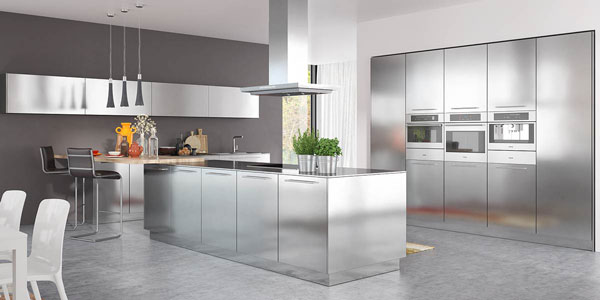
  2. Add the Sleek Style of Stainless Steel to Your Kitchen and give it a purity vibe.

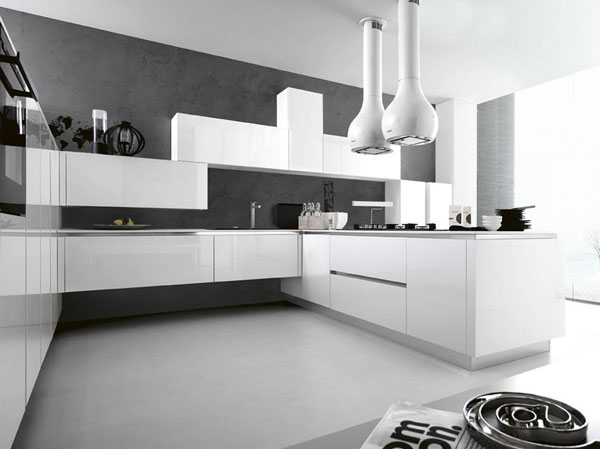
3.  Lacquered Kitchen Cabinets for a Lush Modern Look.

4. Floating Shelves Can Replace Kitchen Cabinetry and save space to your kitchen

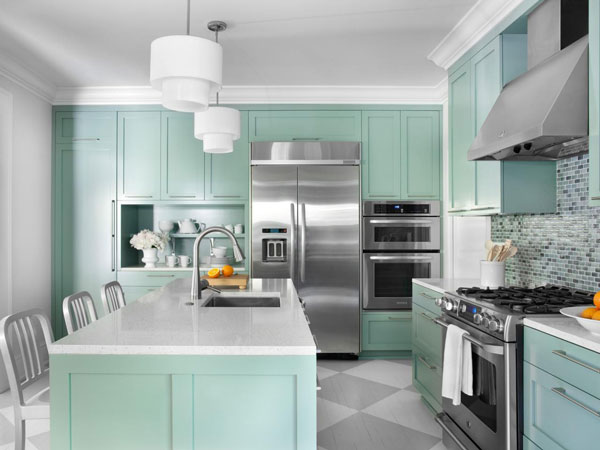
5. Colors can still create a modern kitchen cabinet space.

6. White Classic Kitchen Cabinets never go out of style.

7. Stained Wood Kitchen Cabinet Styles Can be Modern too.

8. Take Out the Upper Kitchen Cabinets for a Modern look.

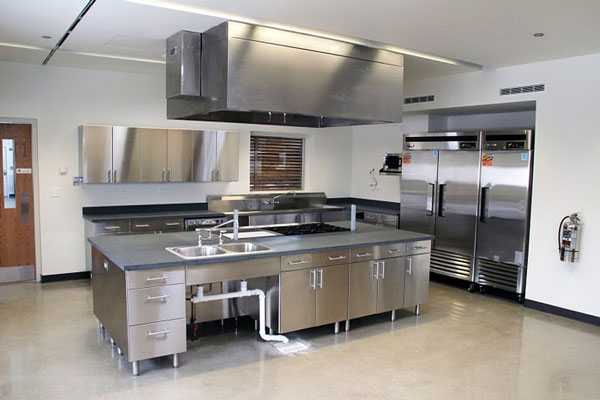
Metal Steel Kitchen Cabinets.

The best time of the year to buy kitchen cabinets

Remodeling your kitchen cabinets is something you may easily do throughout the year. However, it is true is that most people tend to do this during the summer season – as it is much easier to find dry surfaces. For this reason, it can be quite challenging to find a contractor that won’t make you wait for too long.

In this regard, you may say that the best time of the year to remodel your kitchen cabinets is during the winter (November or December). During this time, no one is looking for remodeling – which might make it much easier for you to find a good contractor. 

Also, you might find them at a better deal with a lower price, as there are not too many people looking for a contractor. This gives you the opportunity for negotiations, as contractors might be very anxious to find clients at that time. Just before Christmas, the chances are high that you will catch some reasonable offers on cabinets – as people don’t tend to remodel before the holidays. As a result, manufacturers lower the price to sell their products. 

From April to May is also an excellent time to shop for these supplies, as the seasonal discounts tend to apply during this time as well.